
The day after All Saints’ Day (Nov. 1st) comes All Souls’ Day (Nov. 2nd). This is not a public holiday in Italy anymore, but it is an occasion that most people can’t forget because it’s all about next of kin and dear ones that have passed away – or, as they say in Italian “sono passati a miglior vita” (they have gone on to a better life), which is a positive way of looking at it.
Traditionally, it’s a day where you go to church –often the one at the cemetery – and then take part in a procession. Of course, nowadays, elderly people, especially elderly ladies, have time for this ritual. The others get organized to visit their loved ones at the cemetery either on the 2nd of November or a couple of days before. When you pay that visit, you bring flowers (chrysanthemums are deemed to be the most appropriate flowers for graves which is why they are never given to the living!) and a candle to light at the grave. These days, though, most graves have electric “candles” that are automatically turned on every day after dark. Real candles are now considered hazardous and must not be left at the cemetery.
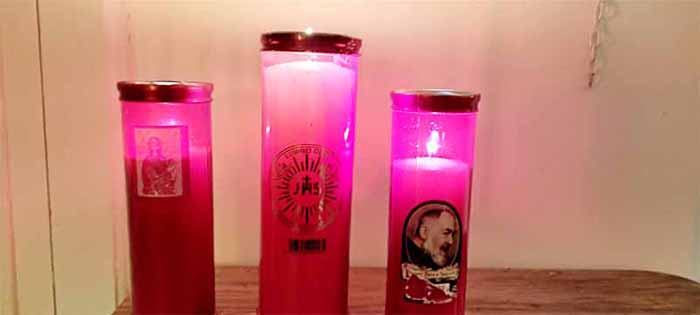
The grave site is cleaned and the flowers are carefully arranged in a vase; then, a prayer is said and memories are brought back.
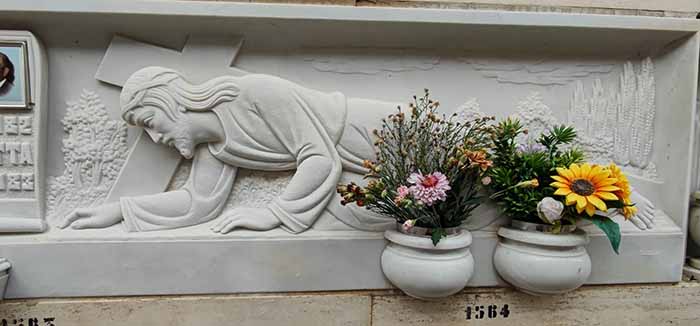
After visiting the closest relatives, people generally stroll around to look at other graves and talk about events regarding the people buried there – almost like bringing them back to life and sharing something in order to go on living after having strengthened bond with the dead.
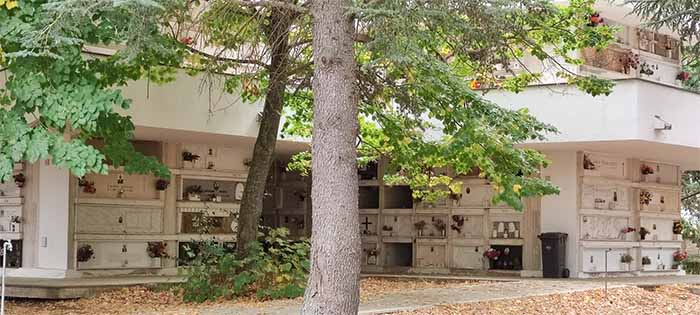
Cemeteries in Italy are quite different. They are always on the outskirts of town and graveyards around old parish churches like they have in other European countries don’t exist. No one is buried in the ground anymore. Instead, the coffins are placed in a sort of building with four or five levels, something like a “condo” made of concrete and stone, usually white marble. Every person has their name on it, dates of birth and death in addition to a photograph to make the place more recognizable. Some have a quotation from the Bible or another book. There is room for a light, a vase for flowers or some personal object.
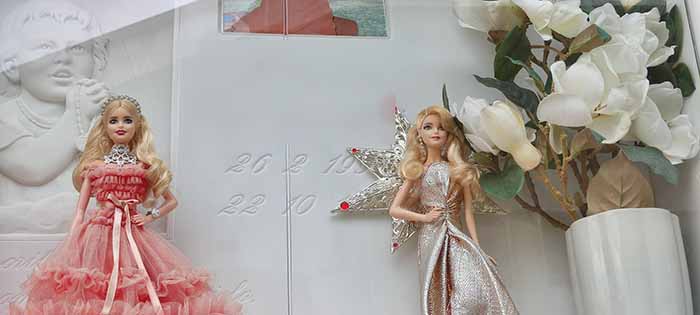
Visitors use a ladder that can easily be moved around to get to the grave of their loved one. After dark, it looks like a building with many lights turned on.
The other option is a private family chapel that you can walk into. The coffins are protected by stone on which the names and dates of birth and death are engraved. A photo of each person makes the grave more personal. This type of burial site resembles the tombs of the Ancient Romans.
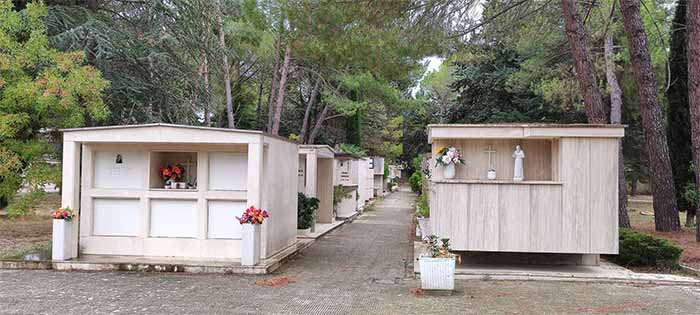
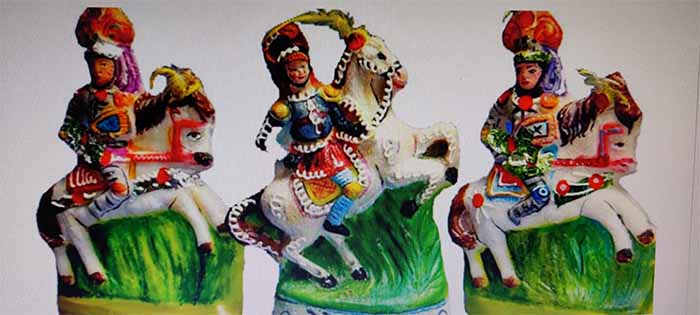
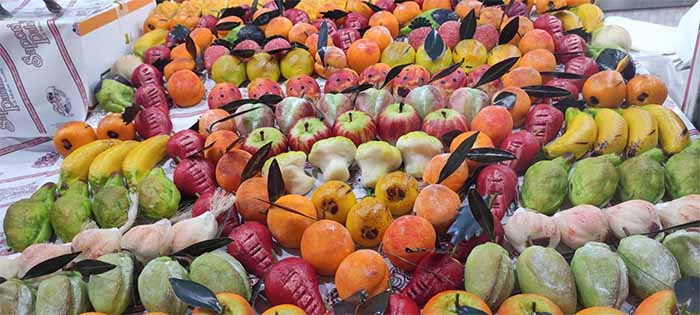
These small chapels are located in the same cemeteries with trees –very often cypress trees- here and there. Cemeteries are surrounded by high walls and are open only until dusk. Especially in southern Italy and in Sicily, All Souls’ Day is a particularly meaningful day. According to tradition, it is believed that between November 1st and 2nd, the dead come back to visit their loved ones, especially the children, for whom they leave little gifts. In the morning, the children go around the house , looking for what the dead have left them during the night. Most often, this used to be a “pupaccena” or “pupa ri zuccaru”, which are beautifully decorated colourful candy figures, for the children of well-to-do families, while poor children looked forward to plump sweet-tasting dried figs and nuts. Nowadays, these beautiful candy figures representing historic heroes such as Orlando Furioso still exist but they have been joined by cartoon characters such as Winnie the Pooh or Peppa Pig that modern-day kids are familiar with.
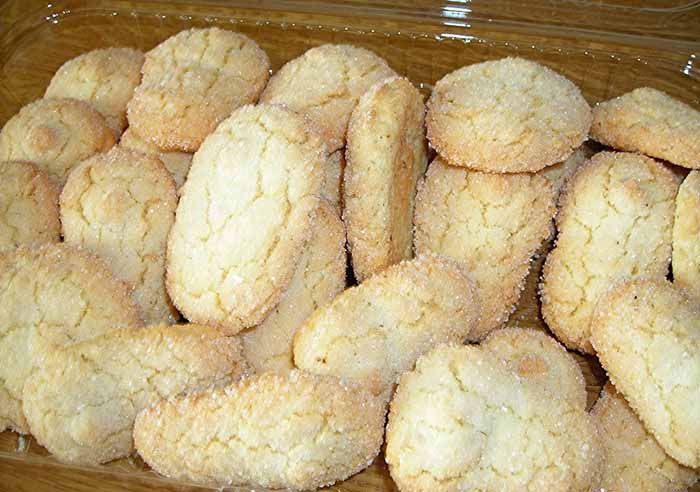
Clearly, this ritual has the aim of getting children to have a fond remembrance of the family members that have passed away or even the ones they never knew. By strengthening the bond between generations, the feeling of belonging to a family is reinforced and for many this is, indeed, still important nowadays. As with other special occasions in Italy, also All Souls’ Day is linked to special foods that are enjoyed on that day and not during the rest of the year. In Umbria, they make cookies called “fave dei morti” (dead man’s broad beans), a name that may not seem appealing, but they are actually really delicious with pine nuts, almonds, cinnamon, sugar, flour and a couple more ingredients.
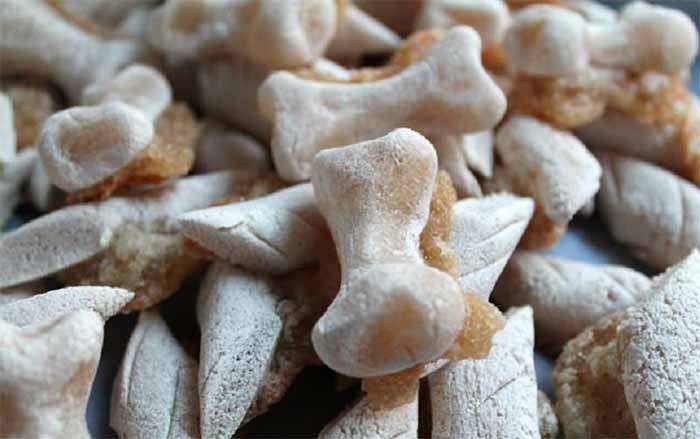
In other parts of the country they have cookies known as “ossa dei morti “ (dead man’s bones) , which sounds macabre, but they are tasty dry white cookies made with flour, sugar, cinnamon and cloves. They take time to make!
And then there is the frutta martorana. This specialty is not only delicious but a treat for the eyes as well! It is made of aromatic almond paste and sugar that is shaped and brightly colored to look like real fruits and vegetables –just miniature size. Originally from Palermo, frutta martorana got its name from a 12th century monastery where the nuns created this delicacy in the early 1800s to delight a queen or Pope (there are different stories about it…) on their visit to the city. And these nuns were the only ones to make and sell it in their convent until the mid-1900s. Now you can get it in any pastry shop in Sicily and it is also “exported” to other parts of Italy and abroad.
Sylvia Stastny-Terrone